

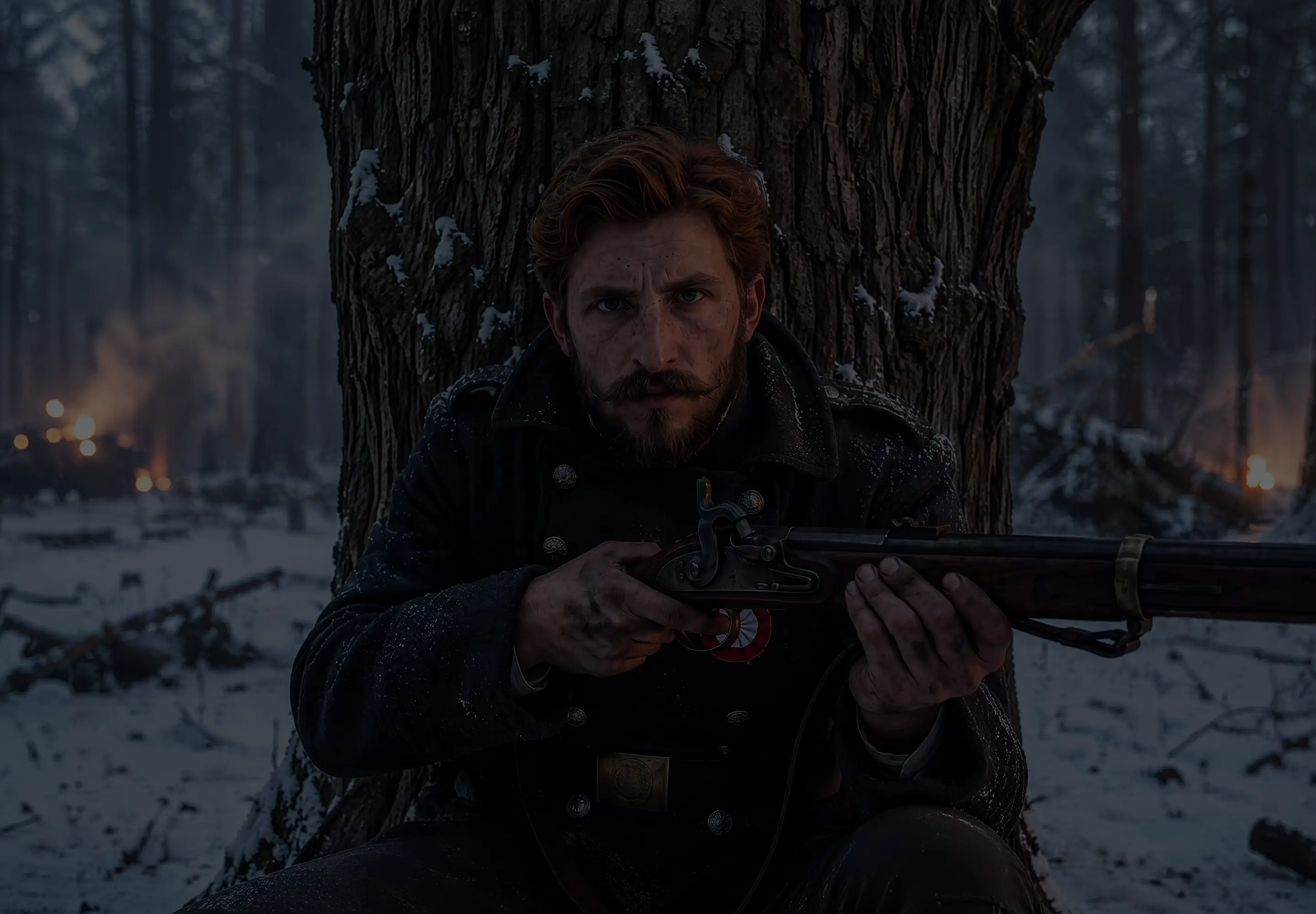
The Polish explorer who cataloged Panama's national symbol
[Client]
INTERNAL PROJECT
01 / [OVERVIEW]
A short-form story of a Polish botanist connecting two distant worlds
In the 19th century, Polish botanist and explorer Józef Warszewicz braved the uncharted wilderness of Central and South America. Operating well beyond the technological limits of his time, he documented thousands of plant species previously unknown to European science, securing a lasting place in botanical history. His relentless field work helped catalog rare orchid species that are now celebrated as part of Panama's natural identity.
To honor his legacy and shed light on this unique cross-cultural connection, we produced a short cinematic video. Rather than relying on dry historical textbook tropes, we translated his journey into a sharp, contemporary digital format. Combining archival research with generative visual art, we recreated the atmosphere of dense tropical jungles to capture viewer attention instantly and bridge two distant heritage narratives.
- Service
- Video Production, Motion Design, AI Art Direction
- Industry
- Culture, History, Education
- Market
- Poland / Panama
- Year
- 2026
02 / [OBJECTIVES]
Modernizing historical narrative for targeted digital audiences
The core ambition of this project was to establish a vibrant cultural connection between Poland and Panama by reframing a shared historical moment. We aimed to bypass academic formality in favor of an engaging, design-first visual direction that sparks genuine curiosity.
We designed the campaign to resonate with history buffs, nature lovers, and design-conscious audiences on social channels. The goal was to build a fluid narrative capable of transporting viewers from a quiet 19th-century study directly into the heart of a humid Central American jungle in seconds.
03 / [CHALLENGES]
Low attention spans and visual archive scarcity
Capturing attention in fast-paced social feeds presents a massive hurdle for historical content. In an environment built around instant entertainment, the opening second had to halt scrolling immediately to prevent the story from being bypassed.
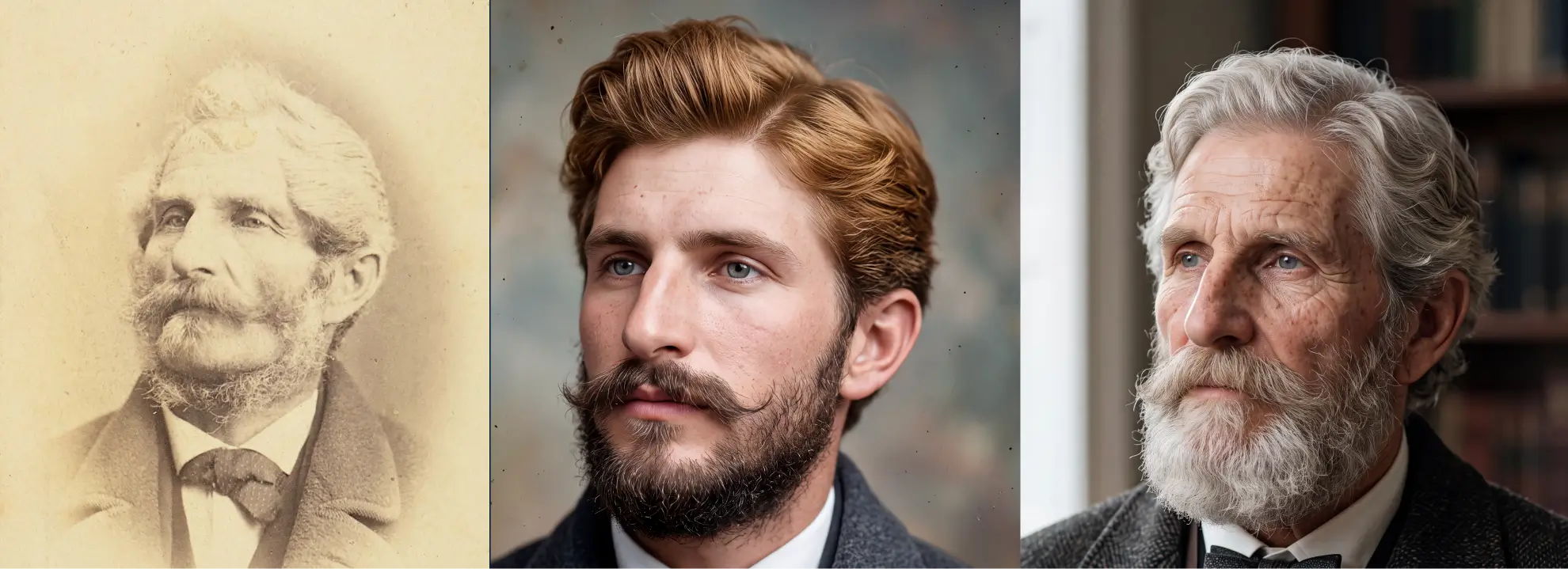
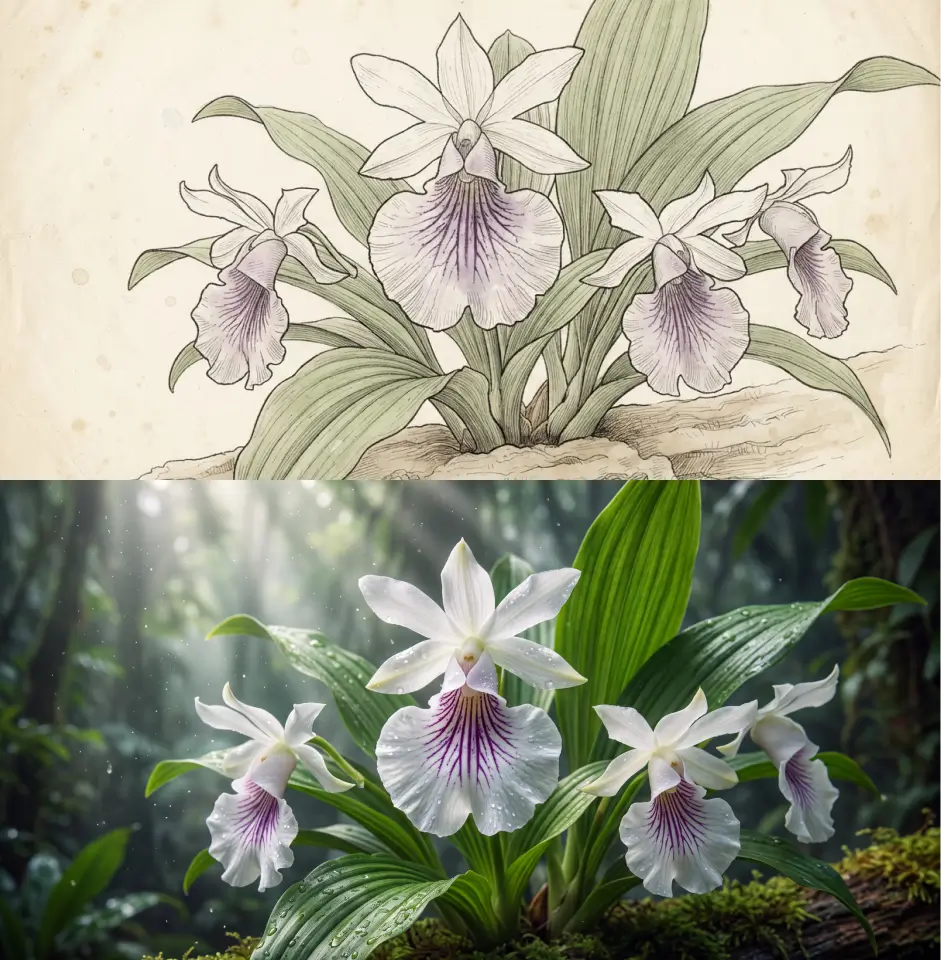
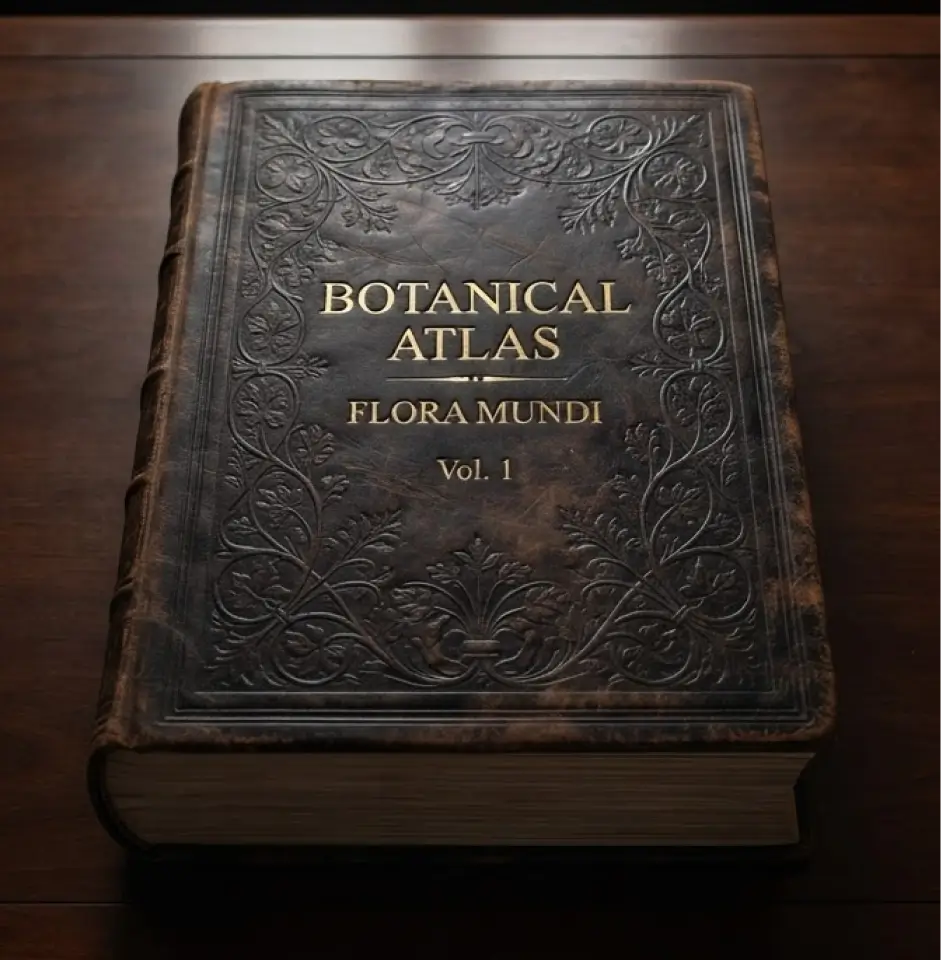
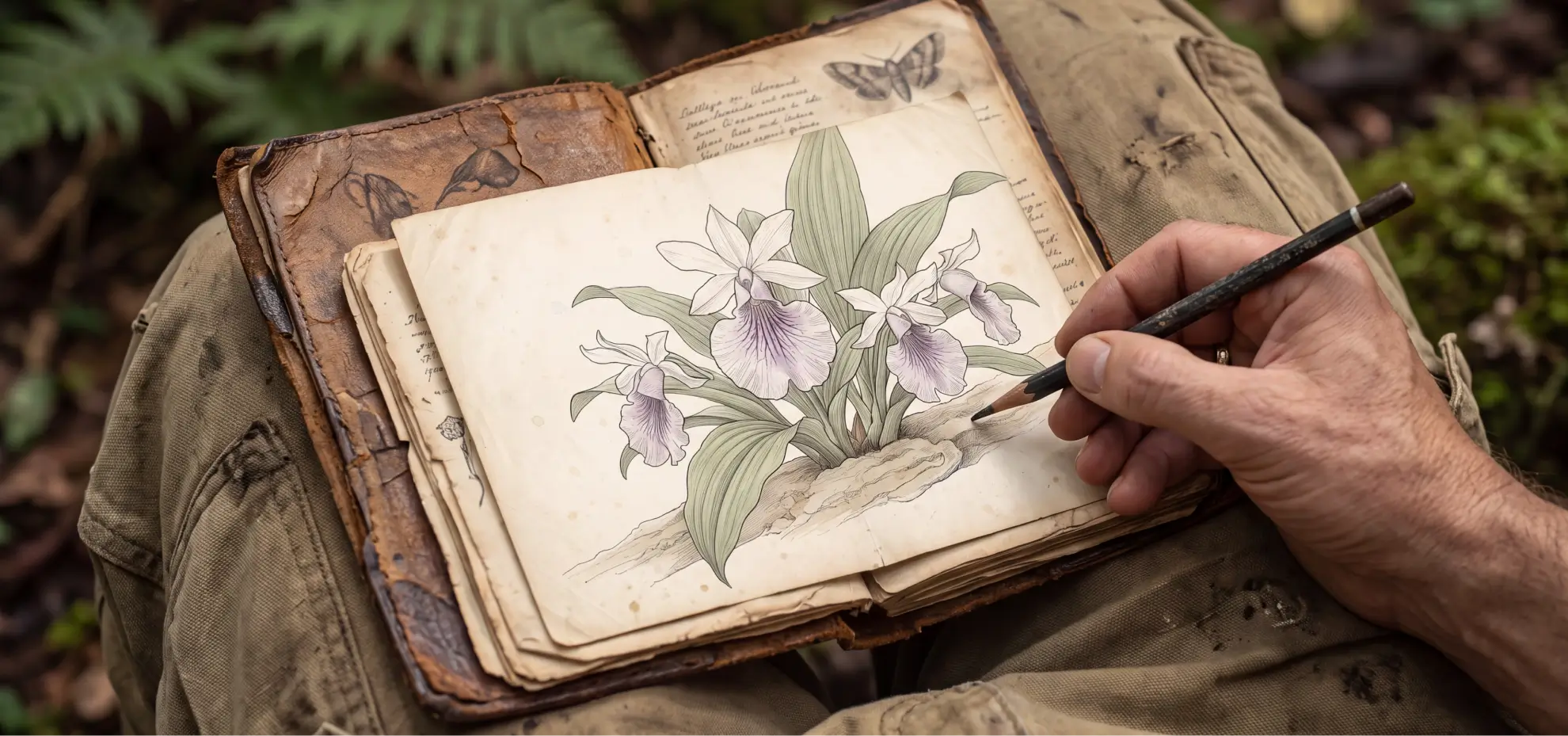
The lack of visual archival material posed another major challenge. Historical records of Warszewicz's expeditions consist mostly of black-and-white botanical sketches and handwritten field notes. We lacked high-resolution, vibrant footage that could faithfully capture the raw beauty of the Panamanian wilderness.
Finally, cultural nuance was essential. The script needed to feel natural, balanced, and respectful to audiences in both Eastern Europe and Latin America, avoiding one-sided perspectives or overly solemn commentary.
04 / [SOLUTIONS]
Generative world-building and universal storytelling
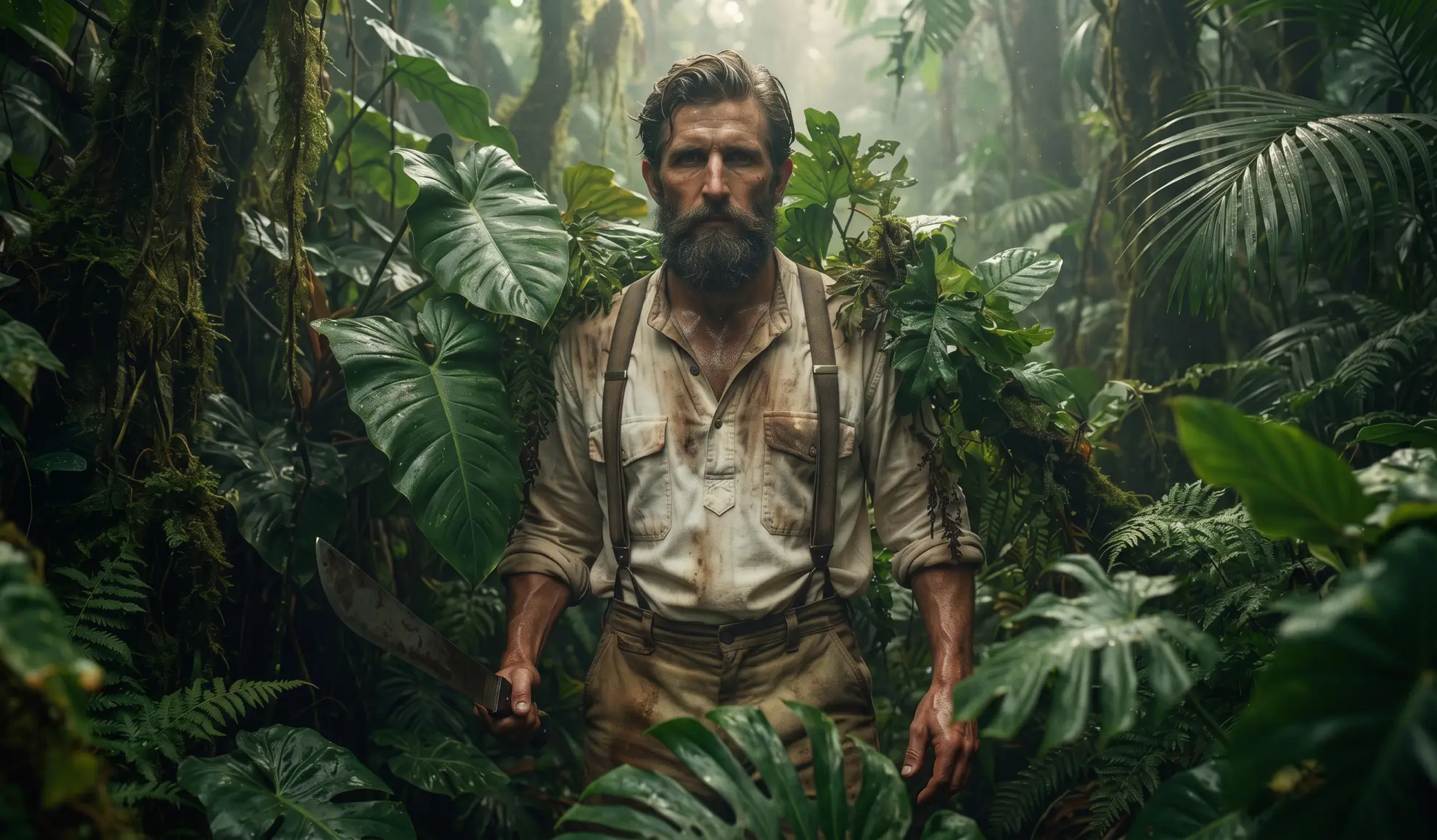
We skipped slow intros in favor of an immediate, high-contrast hook. By pairing a low, resonant audio cue with a sharp visual jump-cut, we dropped viewers right into the dense canopy of the jungle, breaking typical scrolling habits instantly.
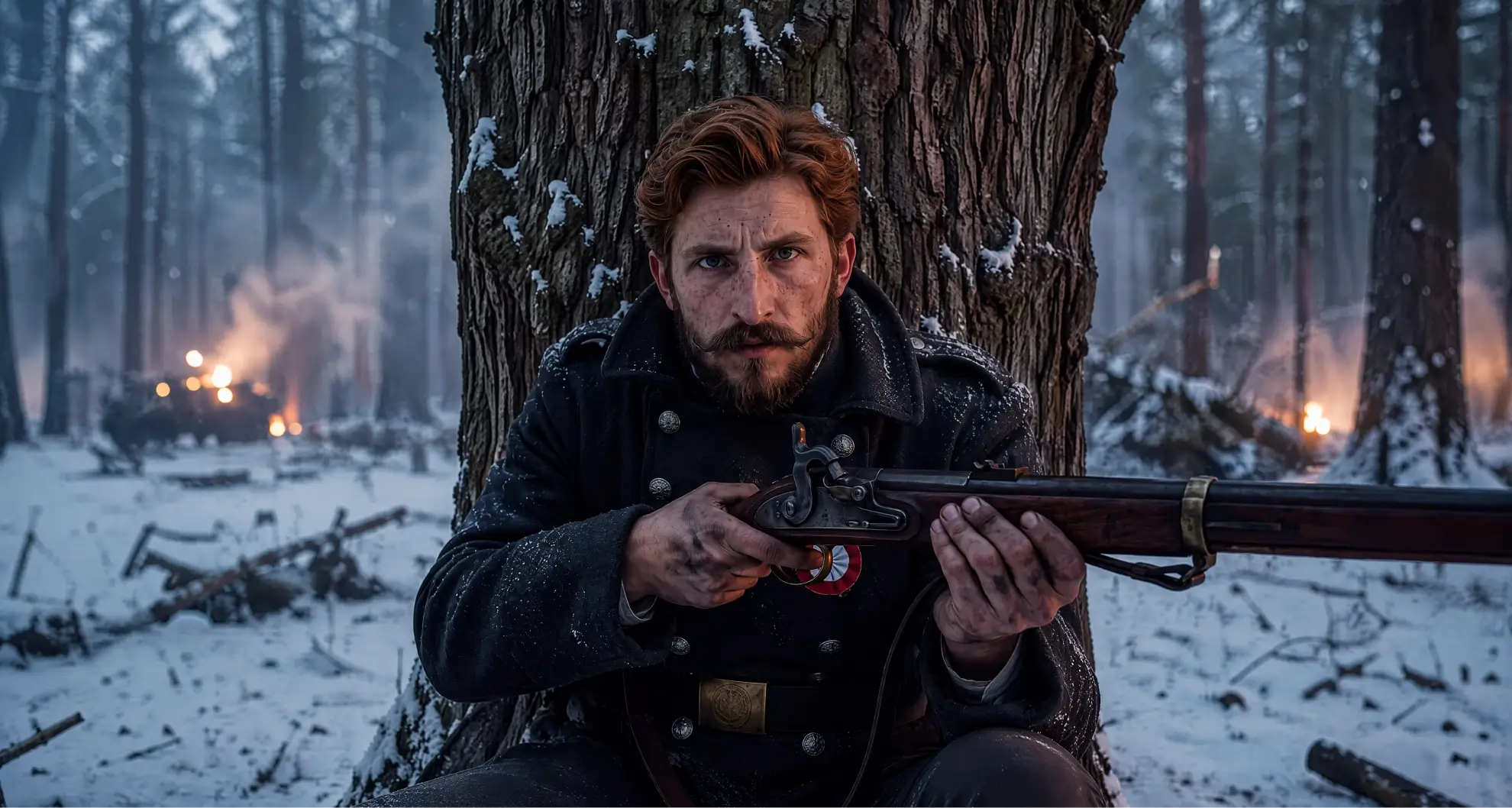
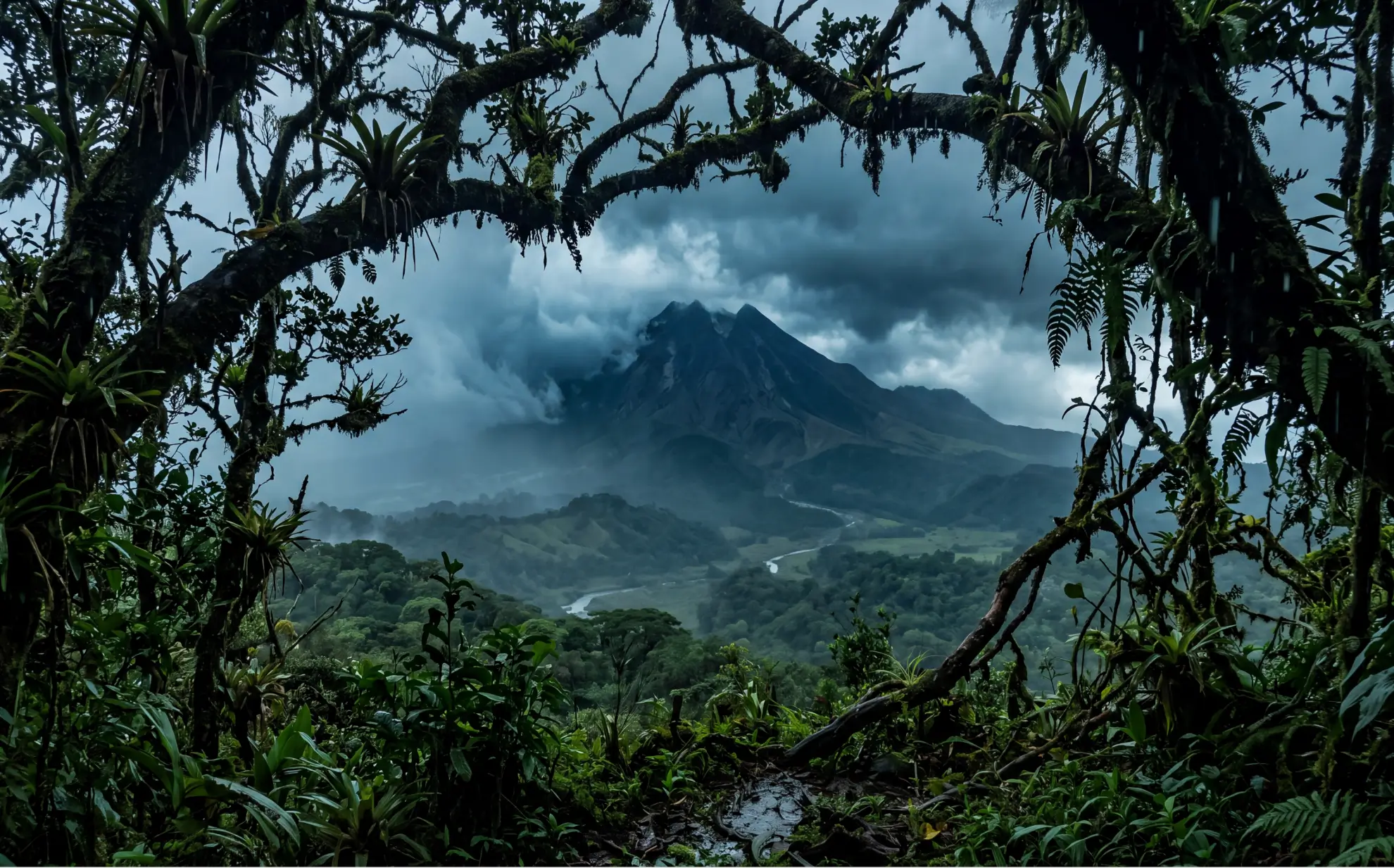
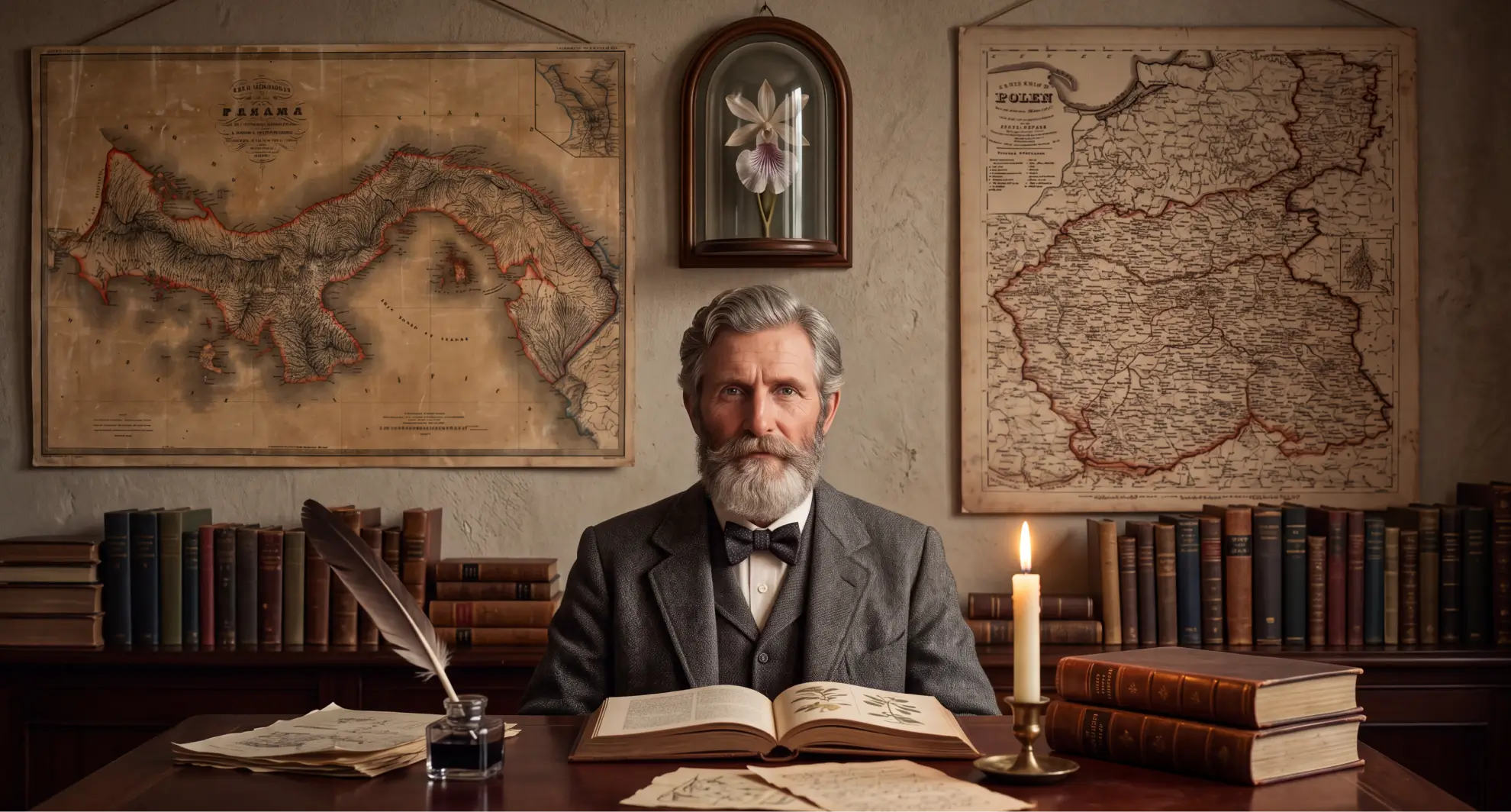
To bridge the archival gap, we engineered a custom generative art direction pipeline. We generated photorealistic sequences depicting 19th-century field expeditions and untouched tropical ecosystems, ensuring a cohesive cinematic atmosphere grounded in historical detail.
We anchored the core narrative in universal human themes: curiosity, perseverance, and passion for the natural world. This allowed the story of a Polish explorer to resonate naturally across geographical and cultural boundaries.
05 / [RESULTS]
Niche history delivered as an engaging digital narrative
The result is a concise, aesthetically striking digital video that proves historical topics can thrive in modern formats. The project sparked enthusiastic engagement and conversations across borders, demonstrating how strategic design and generative media can breathe new life into forgotten history.